


Trump threatens Iranian power plants over ship attacks
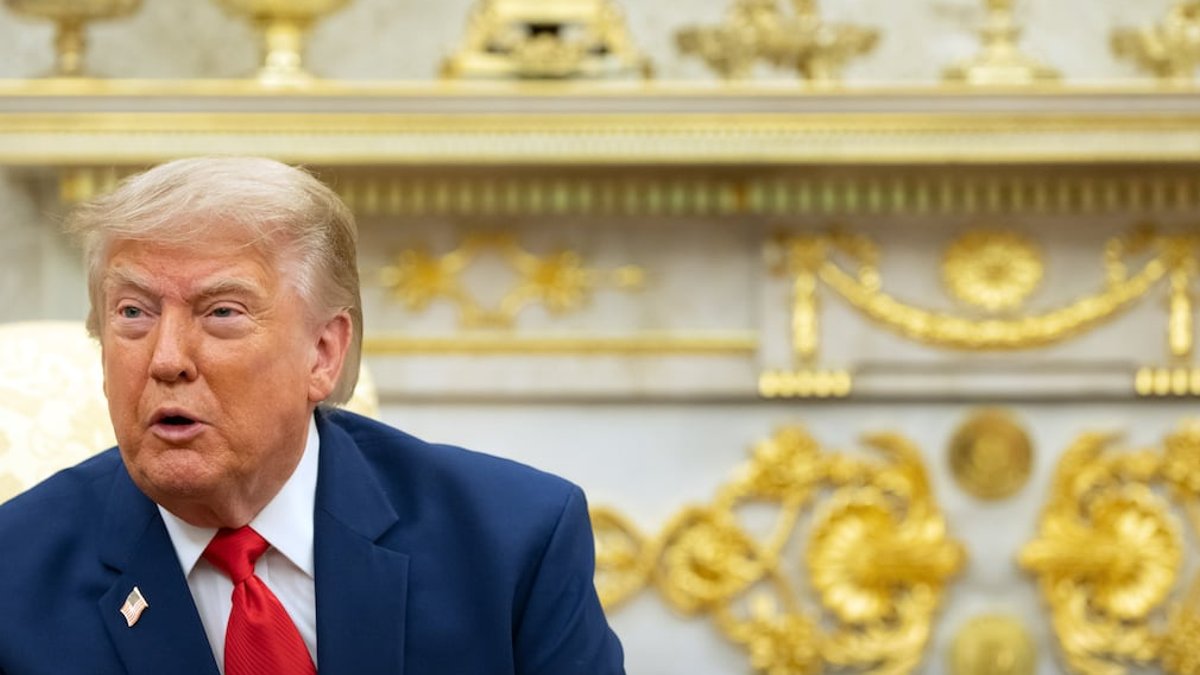
President Donald Trump warned Iran that any attack on ships in the Strait of Hormuz would trigger U.S. strikes on civilian infrastructure, including bridges and power plants. The threat increases tensions in a conflict disrupting global energy markets and involving regional allies.
Trump’s ultimatum
Trump posted on social media that the United States would bomb and destroy one bridge or power plant each time Iran fires at a ship in the strait. The statement revives earlier threats to target non-military sites in response to Iranian aggression.
The Strait of Hormuz, a key route for global oil and gas shipments, has been mostly closed due to Iranian attacks. Before the conflict, about a fifth of the world’s traded oil passed through the waterway. The shutdown pushed Brent crude prices to $94 a barrel, raising gasoline costs ahead of U.S. midterm elections later this year.
Related: Local elections take center stage this week
Escalation and regional fallout
The warning came after an 11th night of U.S. airstrikes on Iran, hitting aircraft hangars and drone storage sites. Iran’s state-run IRNA news agency reported explosions across multiple provinces. The country’s health ministry said the strikes killed 53 people, including six women and three children, and wounded nearly 600. Iran’s paramilitary Revolutionary Guard promised to continue retaliatory attacks.
That same day, Iran launched a missile and drone attack on the Jordanian city of Aqaba, near Israel’s Eilat. Jordan’s military intercepted four missiles, while two others landed in uninhabited areas. Videos from Eilat showed smoke plumes overhead. Separate alerts were issued in Bahrain and Saudi Arabia, though Saudi authorities later declared the threat over.
The attack on Aqaba raised concerns about a broader conflict. Iran had avoided direct strikes on Israel since hostilities resumed last month, likely to prevent Israel from re-entering the war. The collapse of a temporary ceasefire has renewed fears of wider instability.
Related: How VPS Hosting Can Improve Your Website Speed?
In the Philippines, U.S. Secretary of State Marco Rubio criticized Iran’s actions in the strait, calling them a dangerous precedent. He stated that allowing a nation to control an international waterway and attack ships refusing to pay a toll would set a troubling example for other regions.
The U.S. reimposed a blockade on Iranian ports in response. Meanwhile, Iran’s interior minister, Eskandar Momeni, visited Pakistan to seek diplomatic solutions. A spokesperson for Iran’s interior ministry told IRNA that diplomacy remained active, though no new agreements had been reached.
Nuclear tensions resurface
Iran claims its nuclear program is peaceful but has resumed enriching uranium since the U.S. left the 2015 agreement. Western intelligence agencies believe Iran had a nuclear weapons program until 2003 and could restart it if tensions escalate.
Related: Illicit economy could put SA back on greylist
The economic effects of the conflict are already spreading. Houthi rebels in Yemen, supported by Iran, have threatened Saudi shipping in the Red Sea, adding risk to global trade. Analysts say prolonged disruptions in the Strait of Hormuz could push oil prices higher, affecting energy-dependent economies.
For now, both sides remain in a cycle of retaliation. Iran’s Revolutionary Guard calls its attacks defensive, while the U.S. insists it will not tolerate threats to international shipping. The next step may depend on whether either side backs down or the conflict expands beyond the Gulf.
Local elections in neighboring regions could also shape diplomatic responses as governments weigh public sentiment against security concerns.

Local elections take center stage this week


