


Tata heir challenges board over Chandrasekaran reappointment process
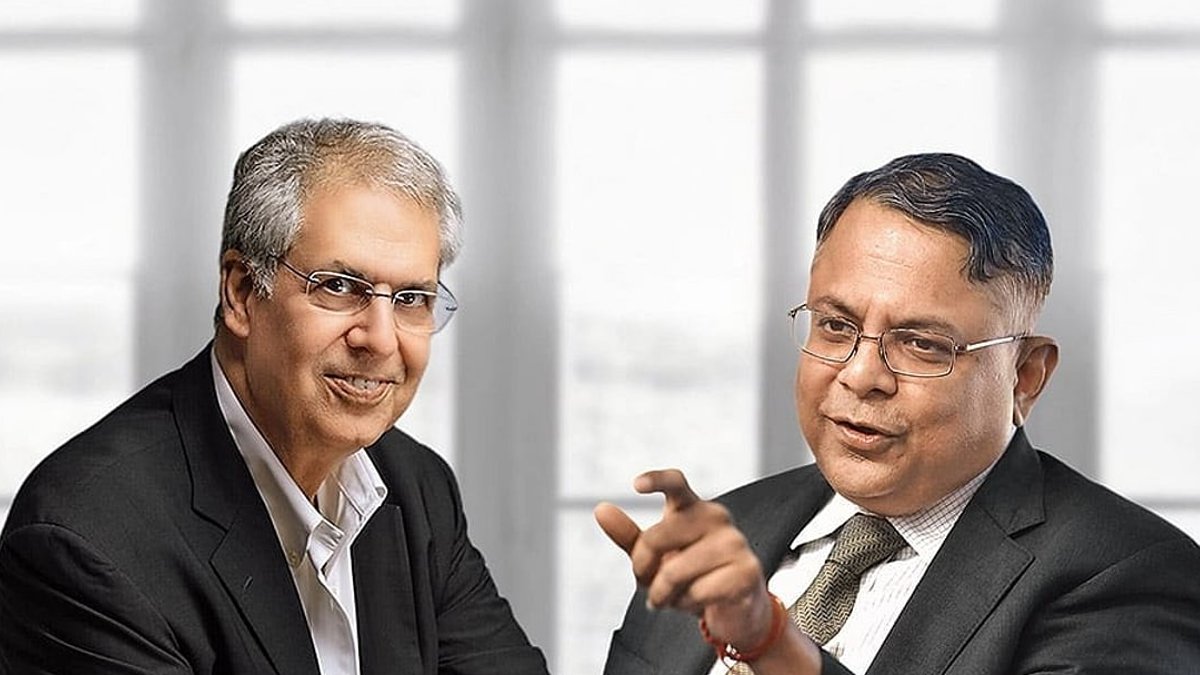
Noel Tata has demanded the video recording and minutes of the Tata Sons board meeting held on September 17, where the company’s board reappointed N Chandrasekaran as executive chairman. The request follows concerns over the process used to approve the resolution, which passed 4-1, with Noel Tata casting the sole dissenting vote. The dispute centers on the use of legal opinions obtained after the vote.
Noel Tata had presented a legal opinion from former Chief Justice DY Chandrachud before the meeting, questioning whether the chairman’s casting vote was properly applied under Tata Sons’ Articles of Association. The opinion addressed voting rights and deadlock-breaking procedures. The board later secured additional opinions from former Chief Justice UU Lalit and former Supreme Court judge BN Srikrishna, both of which upheld the resolution’s validity. Noel Tata also challenged the timing of these new opinions, arguing they were sought only after the vote was already taken.
He questioned whether he had sufficient time during the meeting to present his legal arguments. The board’s decision to obtain further legal backing has deepened divisions over how the company’s governance rules should be interpreted. The controversy extends beyond legal interpretations. Noel Tata criticized how the reappointment proposal was framed, describing it as a Nomination and Remuneration Committee debrief rather than a formal board discussion. This raises questions about transparency in the decision-making process.
The request for meeting records could clarify the board’s deliberations and Noel Tata’s objections. The dispute also reflects broader tensions within Tata Sons over corporate governance, particularly the role of the chairman’s casting vote and the influence of Tata Trusts’ nominees on board decisions. Venu Srinivasan, another Tata Trusts nominee, voted in favor of Chandrasekaran’s reappointment but has separately questioned Noel Tata’s authority to challenge the process. The differing views highlight unresolved disagreements over how the company’s Articles of Association should be applied in practice.

India telcos face stricter service quality rules


