


Warehouse Disasters: Floor Managers’ Critical First 30 Minutes
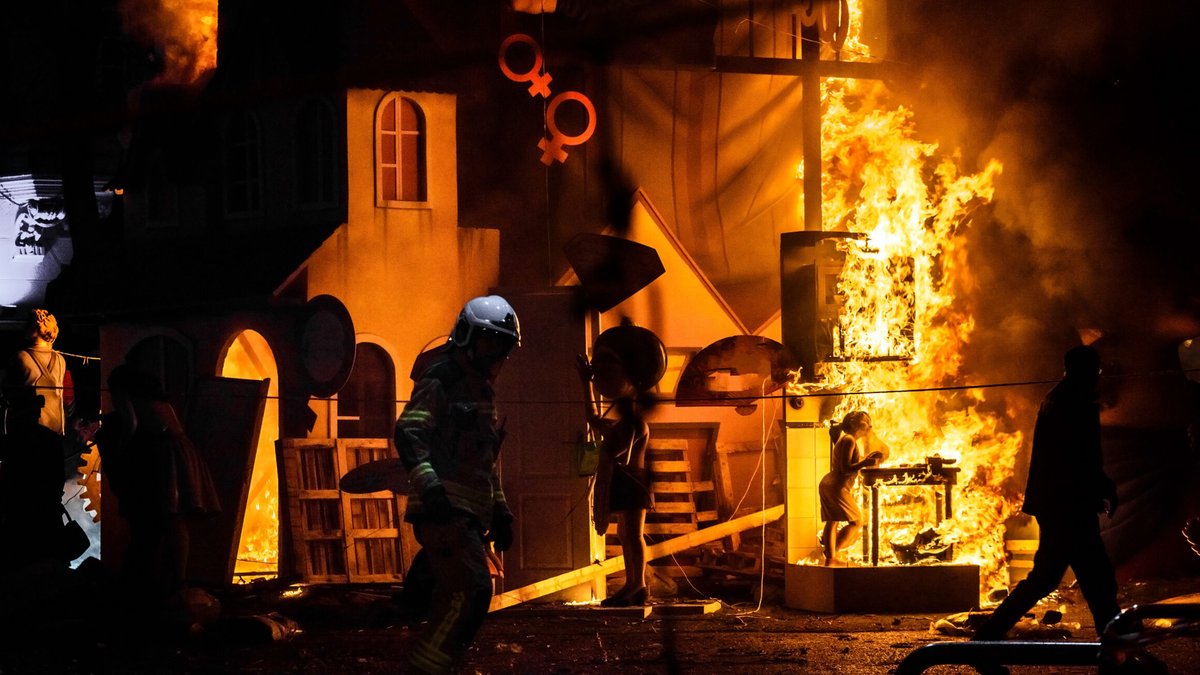
When disaster strikes a warehouse, the first 30 minutes are critical. Whether it’s a burst pipe, fire, or flood, the actions taken during this window determine the extent of inventory losses, structural damage, and downtime costs. Yet, many facilities focus on disaster recovery contracts and insurance while neglecting the most vital asset: a trained floor manager.
The Critical First Five Minutes
In the initial moments, floor managers must resist the urge to start cleanup. Instead, they should assess the situation: is the disaster contained or spreading? Are there immediate safety threats like fire or structural instability? This assessment is key to preventing further damage.
Once assessed, managers must alert the right people. This includes triggering emergency notifications, contacting emergency services if needed, and informing leadership. A clear, memorized communication chain is essential, and a posted contact list at key stations can save valuable time.
Evacuation and Securing the Site
If there’s any risk to personnel, evacuation is the top priority. Floor managers should guide employees to safe zones with calm, clear instructions. Panic can spread quickly in a warehouse, and a composed manager can prevent chaos and injuries.
Read Also: Ohio University Students Handle Off-Campus Housing Challenges
After ensuring everyone’s safety, managers must secure the site. This could involve shutting off water valves, cutting power, or closing fire doors. Knowing the location of shutoffs and control panels without hesitation is key, emphasizing the need for hands-on training.
Documentation and Coordination
With people safe and the immediate threat contained, managers should document the damage through photos and videos. This documentation is vital for insurance claims and helps restoration teams understand the situation. It’s also the time to coordinate with warehouse restoration specialists, providing them with specific details about the incident.
A pre-established relationship with a restoration provider is beneficial, as managers can quickly provide accurate information, enabling faster mobilization of resources. This coordination is key to minimizing damage and downtime.
Training for Instinctive Action
Effective training is essential to ensure floor managers act instinctively under pressure. Realistic simulations, walkthroughs, and mock drills help build muscle memory for critical decisions. Regular refreshers are also important, as emergency procedures can fade from memory over time.

Ohio University Students Handle Off-Campus Housing Challenges


