


CineNow’s Dalmia Leverages Institutional Investors to Reform Film Financing
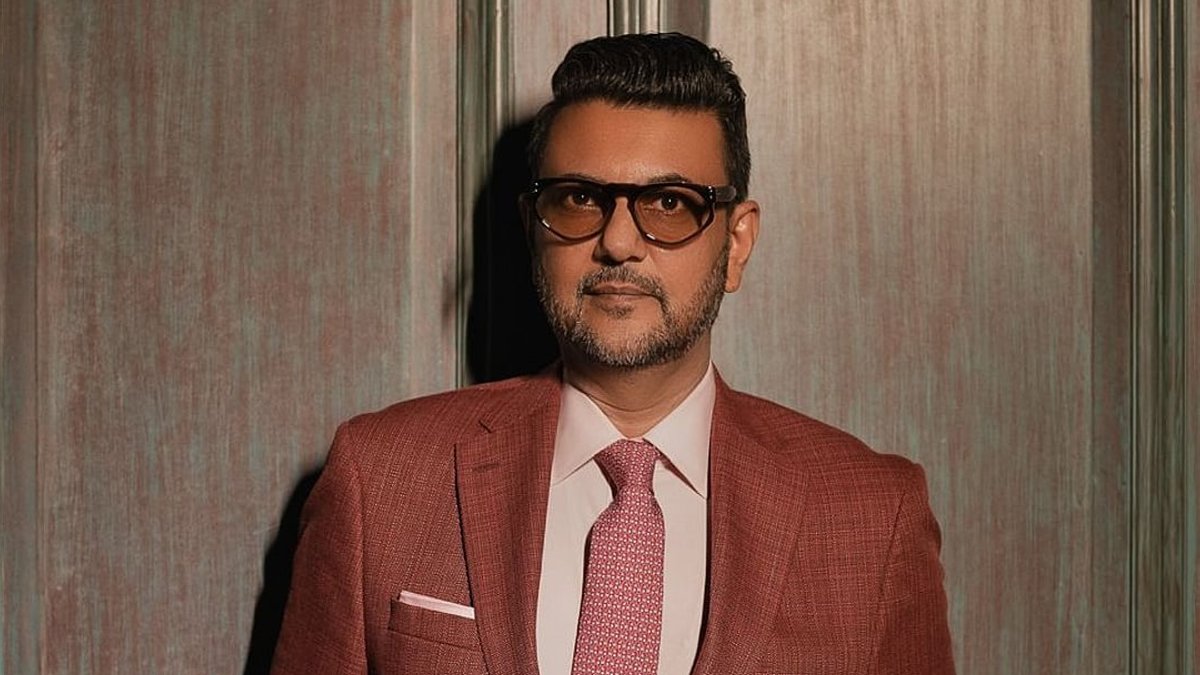
Rohit Dalmia, founder of CineNow, is turning to institutional investors to add order to India’s film-financing environment. After securing ₹1,350 crore, UAE-headquartered firm intends to back 30 movies across six years, supplying producers with “scale capital” to amass a portfolio of intellectual property.
A Structured Approach to Film Financing
For decades, Indian cinema has relied on fragmented financing, from producers and studios to private financiers and pre-sales. Dalmia, who has no prior connection to the entertainment industry, believes institutional capital can change that dynamic. “Film financing has traditionally been a messy scenario,” he said in an interview. “You can’t just bring capital and expect people to change. You have to give them a platform that is structured and governed.”
CineNow’s model combines capital and technology, with IP serving as the asset base. Unlike traditional approaches, the company does not seek scripts directly from producers. Instead, it offers a structured fund-led approach designed to attract committed filmmakers with strong intellectual property and disciplined practices.
The deal terms are straightforward. CineNow can fund up to 100% of a project, from script to release, with the producer retaining ownership of the IP. However, the IP is exclusively mortgaged to CineNow as collateral. In the event of a profit, the company receives 60% of earnings, while producers retain 40%. If a film incurs losses, CineNow absorbs the risk and can reclaim the IP, requiring producers to cover deficits to retain ownership.
Financing Mechanics and Risk Mitigation
The company’s strategy hinges on recycling capital across its six-year lifecycle. Even if a film underperforms, recovered funds are redeployed into new projects. Dalmia explained that CineNow allocates 60% of its capital to “presentation financing”—a secure, bridge-financing model generating steady returns. The remaining 40% funds film production, with losses potentially offset by high-yield bridge financing cycles.
“I am not putting ₹1,350 crore into making 30 films and hoping one of them becomes a blockbuster,” Dalmia said. “If I get one out of it, then 30 films could become 50 films. That is the trading and compounding effect of finance.”
Read Also: Rupee falls near 2022 lows as oil jumps
“We are not fools with a lot of money trying to burn it in the film market,” Dalmia added. “We have studied the market very deeply, identified the risk factors and plugged them in.”
The investment committee includes seven members: Dalmia, his CFO, three industry experts, and two finance-focused advisors. Each votes based on their expertise, with Dalmia prioritizing ROI potential for investors. The team of 30 professionals, including producer Siddharth Roy Kapur as principal adviser, handles market access and execution.
Investment Committee and Market Strategy
Dalmia emphasizes that their approach remains objective and merit-based. He acknowledges no prior industry ties but credits Kapur for assembling the team. The structure avoids personal relationships or obligations, ensuring decisions favor investor interests. This governance model differentiates CineNow from traditional film financiers who rely on personal networks or ad-hoc partnerships. The committee’s collective expertise guides film selection, balancing commercial viability with creative potential.
Slating Strategy and Risk Distribution
CineNow adopts a slate approach to mitigate individual film risks. By financing multiple projects across genres and languages, they reduce dependency on any single title’s success. The strategy also aligns with producers seeking long-term IP portfolios. Once films are completed, CineNow aims to monetize them through theatrical releases, satellite rights, or streaming platforms. This diversification ensures residual value even if individual films underperform.
The company’s risk mitigation extends to its dual-financing model. Sixty percent of capital supports “presentation financing,” a bridge-financing mechanism yielding steady returns through quick, secured transactions. The remaining 40% funds film production. If losses occur here, bridge financing cycles can offset deficits. For example, deploying returned funds at 10% returns twice yearly generates 20% annualized returns, potentially recovering production losses. Dalmia notes that even if all 30 films lose money, the system’s compounding effect through bridge financing maintains fund viability.

Rupee falls near 2022 lows as oil jumps


