


India pushes mutual funds to default to cheaper plans
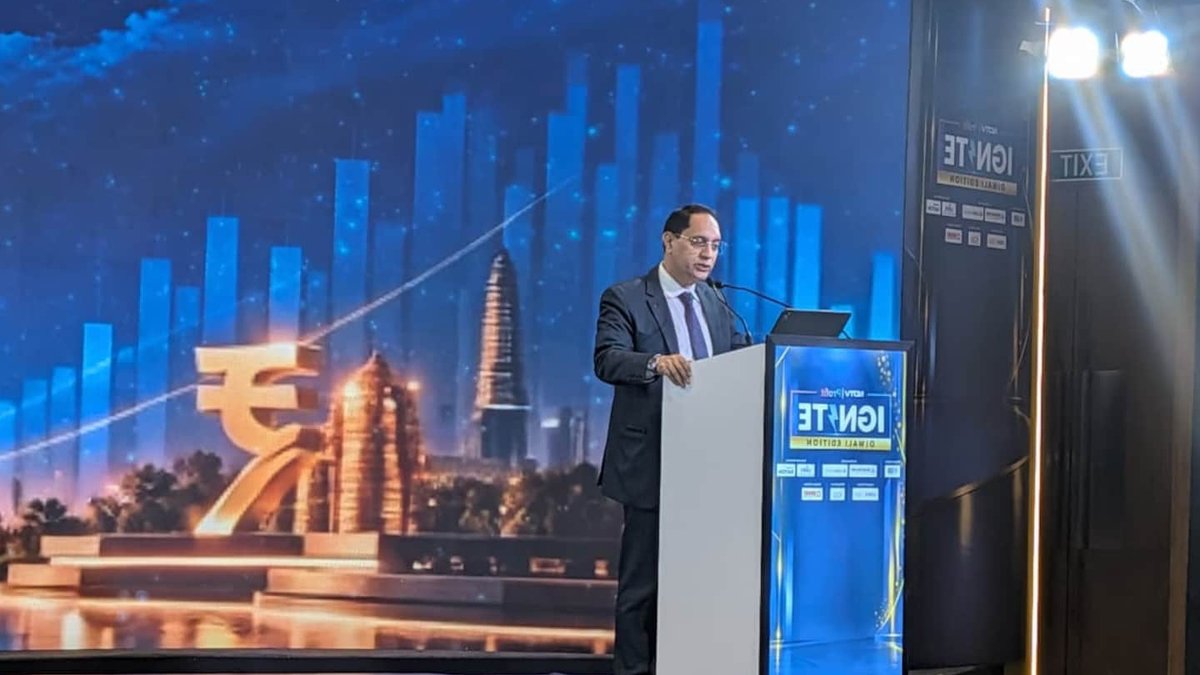
India’s securities regulator will require mutual fund investors to select direct plans by default starting November 1, with regular plans available only upon active opt-in. The change, announced by SEBI Chairman Tuhin Kanta Pandey, aims to lower costs for retail investors by steering them toward lower-fee options unless they explicitly choose higher-expense-ratio plans. Investors opting for regular plans will receive clear disclosures about the fee differences.
Pandey revealed these plans during the NDTV Profit Ignite: Diwali Edition event in Mumbai, where he outlined broader regulatory reforms. A key focus is revising frameworks for mainboard IPOs, follow-on public offers, and SME IPOs, particularly for technology-driven startups seeking public funding. The regulator is also evaluating the Innovators Growth Platform to improve access for scaling businesses.
“Public capital brings public responsibility,” Pandey stated, calling for stricter oversight of how IPO proceeds are allocated. SEBI is proposing tighter monitoring of issue funds and reviewing the role of debenture trustees to strengthen financial safeguards.
Simplifying rules to boost market access
SEBI’s strategy centers on four core areas. First, it seeks to simplify regulations and expand market access. The regulator is streamlining listing requirements, exploring net settlement for mutual fund trades, and aligning REIT and InvIT listing timelines with equity offerings. For foreign investors, SEBI is collaborating with the Reserve Bank of India to standardize SWIFT-based KYC for bank accounts and testing extended KYC validity periods for eligible participants to reduce procedural hurdles.
ESG rating providers will transition from rigid rules to a flexible principles-based approach, balancing oversight with innovation. These adjustments reflect efforts to modernize compliance without hindering growth.
The second priority involves deepening markets and broadening financing options. Beyond IPO reforms, SEBI is engaging with corporate bond issuers to identify and resolve barriers. It is consulting on fixed-income distribution partners to expand regulated online bond platforms beyond urban centers, aiming to increase access to debt instruments.
Governance and investor protection form the third focus. Alongside the direct-plan default rule, SEBI is enhancing scrutiny of IPO proceeds and debenture trustees. The regulator’s Radar tool, currently tracking mutual fund and distributor ads, will extend to other intermediaries. An internal AI system is under development to analyze compliance reports from portfolio managers and asset managers.
Related Post: India’s consumers trade down but seek quality in FMCG shift
A pilot AI tool will monitor disclosures from debenture trustees, stock exchanges, depositories, and credit rating agencies to detect early warning signs of corporate debt defaults. SEBI is also assessing a domestic AI governance model for securities markets, evaluating technical feasibility, regulatory frameworks, and data requirements.
AI oversight with human accountability required
“Artificial intelligence is changing financial services, but an algorithm cannot take responsibility,” Pandey noted. He emphasized that institutions deploying AI must remain accountable for outcomes and investor data protection.
Investor education remains a critical challenge. SEBI’s survey found that 63% of households recognize securities market products, only 9.5% participate. Among active investors, just 36% possess moderate or advanced market knowledge. Pandey cautioned that expanded access does not guarantee informed decision-making, stressing the need for better financial literacy.
To address this gap, SEBI launched Project Jagruk, a multilingual awareness campaign in English, Hindi, and 11 regional languages. Since its October 5 launch, the initiative has generated over 250 million impressions and 180 million views on social media. The regulator has escalated 220,000 cases of misleading online content to platforms for removal, with its AI tool Sudarshan handling over 40% of these actions.
On capital access, Pandey highlighted accelerated IPO processing—companies can now list within three working days of issue closure. Under the GARUDA framework, over 140 alternative investment fund schemes have been processed in three months, allowing AIFs to launch regular schemes 10 working days after filing placement memoranda unless SEBI objects.
Foreign portfolio investors have adopted the Swagat-FI single-window route, with 585 FPIs using the system, representing about 15% of total FPI assets under custody.


