


Gold and Silver ETFs Slip Investors Reassess SIPs
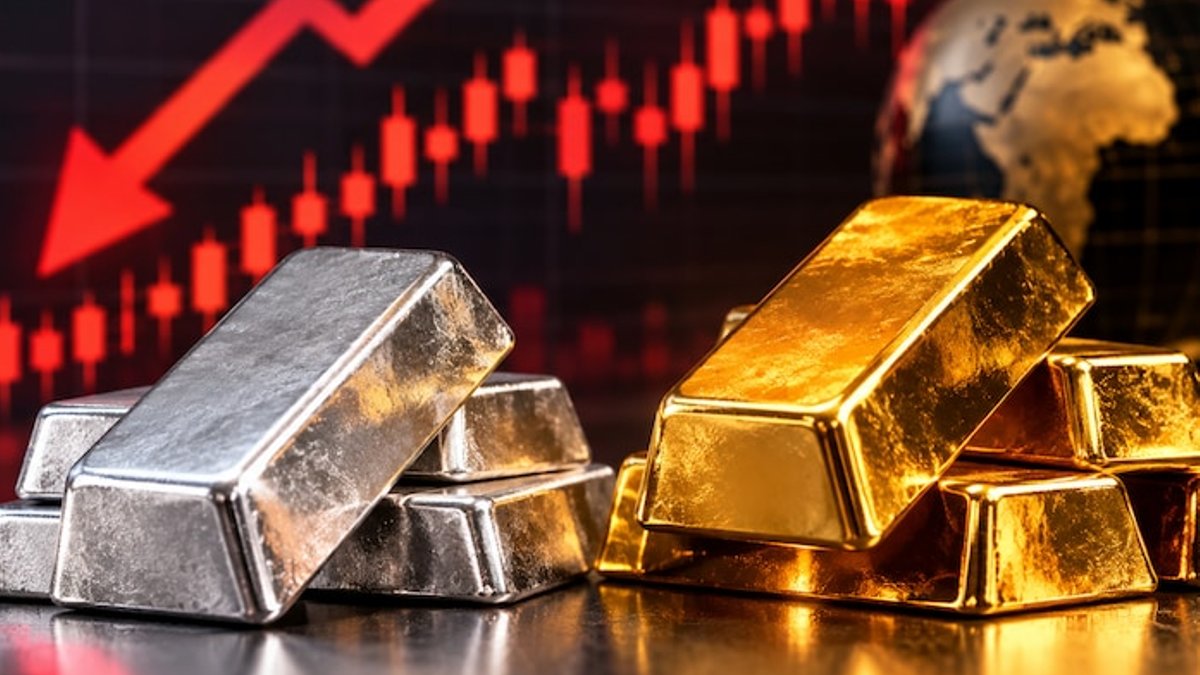
After months of strong performance, gold and silver ETFs are now experiencing a pullback that has led investors to evaluate their systematic investment plans (SIPs). Some are deciding whether to maintain contributions, temporarily pause investments, or even liquidate holdings in response.
The recent drop in prices can worry those who bought in during the precious metals boom. However, short-term fluctuations don’t always mean long-term trends have shifted.
Why Are Gold And Silver ETFs Falling?
The movement in gold and silver prices is shaped by a combination of economic conditions and global events. Interest-rate decisions and expectations, the strength of the US dollar, geopolitical risks and demand for safe-haven investments all play a role in determining market value.
Changes in interest rate forecasts or profit-taking after a price surge can lead to market corrections. Silver tends to be more volatile than gold due to its dual reliance on investor interest and industrial demand.
Should You Continue Your SIP?
Long-term investors might benefit from maintaining their regular investment plans. This approach allows them to buy ETF units at different prices over time.
When prices drop, the same investment amount buys more units, potentially reducing the average cost of the investment.
Following this strategy also means investors do not have to make decisions based on daily market movements. Those holding gold and silver ETFs to spread risk across asset classes may be better off sticking to their intended allocation, provided it remains aligned with their financial goals.
When Should You Consider Pausing Or Stopping?
Taking a break from SIP contributions may be worth considering if an investor’s financial priorities have shifted. A change in income, an immediate need for cash or an unexpectedly high allocation to precious metals could justify reviewing the existing investment schedule.
Falling gold and silver prices don’t always require immediate selling. Selling during a downturn might mean missing out on future price recoveries. Investors should remember that precious metals don’t generate regular income.
Unlike fixed deposits or dividend-paying stocks, gold and silver do not provide periodic returns. Their prices can also remain under pressure for prolonged periods, making them unsuitable as a guaranteed source of wealth creation.
A clear investment strategy and discipline can help investors handle market ups and downs effectively.


